Architecting Intelligent Experiences.
Efficiency is my primary design tool. I use Claude, Lovable, and n8n to automate documentation, prototyping, and handoffs, stripping away the manual friction that costs teams thousands in lost time(hence saving over $70k yearly).
Efficiency is my primary design tool. I use Claude, Lovable, and n8n to automate documentation, prototyping, and handoffs, stripping away the manual friction that costs teams thousands in lost time(hence saving over $70k yearly).
The Modern Design Stack: Beyond Pixels
I’ve moved my workflow away from manual handoffs and toward automated, high-fidelity systems. By integrating AI into the core of my process, I bridge the gap between design vision and engineering reality.
Claude & Figma: The Intelligence Layer
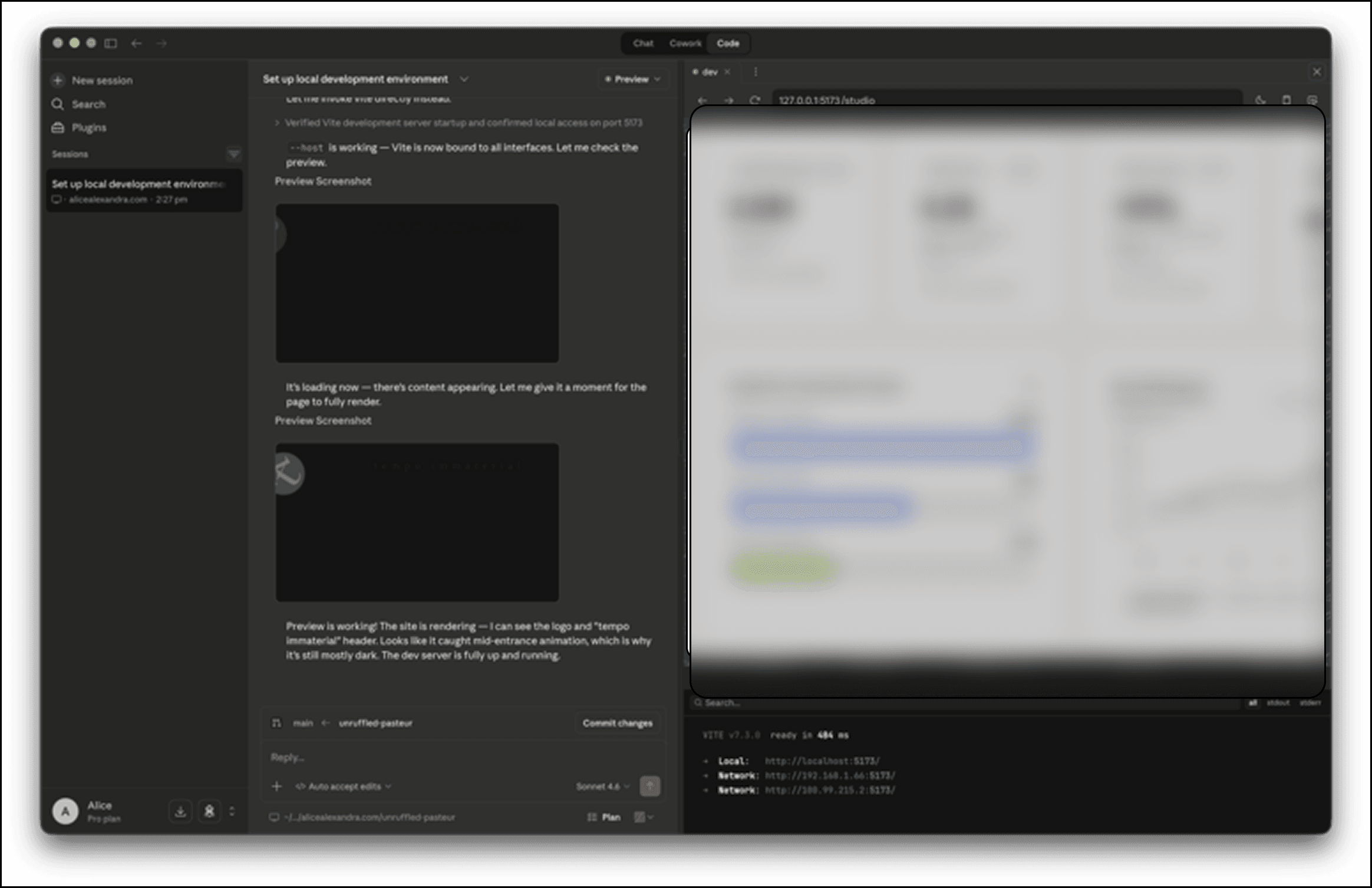
I use Claude as a collaborative partner for design system documentation and component logic. By bridging Figma with Claude’s code capabilities, I can translate complex UI primitives into clean, documentation-ready code. This ensures that the "source of truth" isn't just a drawing but a functional specification.
Lovable & Replit: High-Fidelity Prototyping
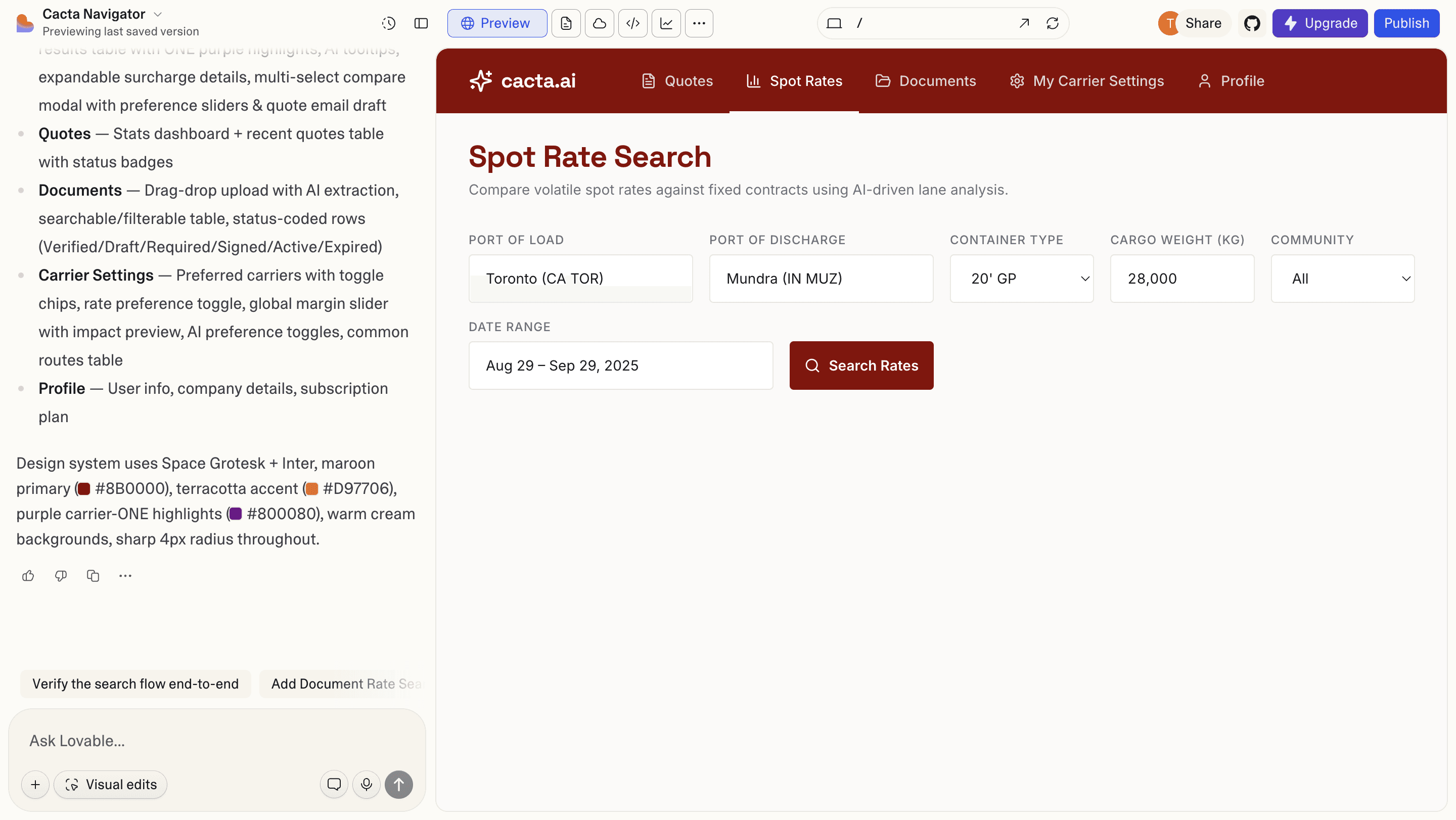
When a static prototype isn’t enough to prove a concept, I use Lovable and Replit to build functional, code-based prototypes. This allows me to test real data interactions and edge cases before a single ticket is created for the engineering team. It’s about shipping confidence, not just mocks.
n8n: The Automation Engine
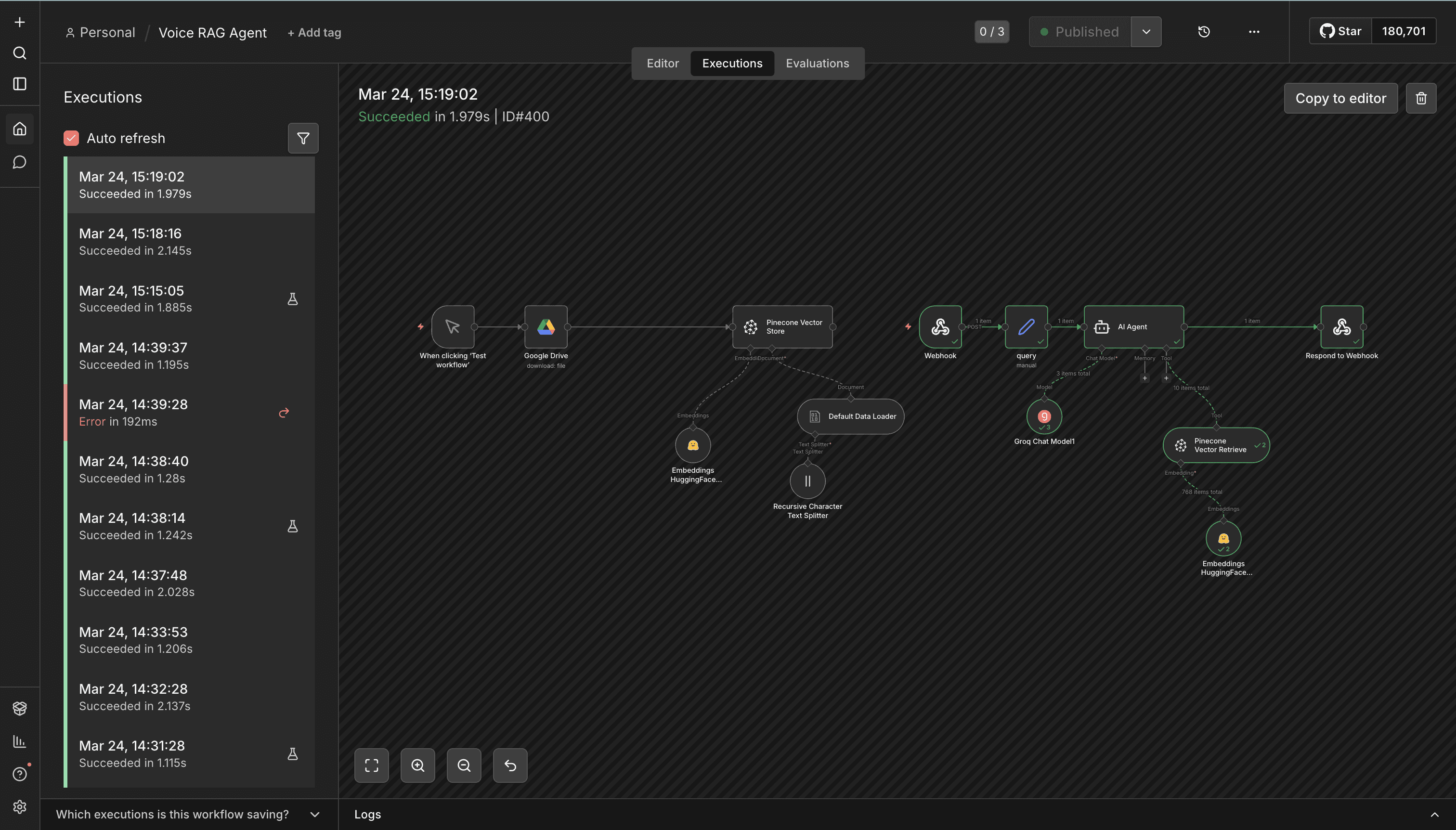
I use n8n to automate the repetitive handoffs that typically slow teams down. My custom workflows include:
AI Portfolio Sidekick: A voice-enabled AI chatbot that guides users through my case studies using natural language.
Automated Ad Generation: A workflow that takes raw data and automatically converts it into high-converting ad layouts with AI-generated imagery.
Handoff Automation: Systems that sync design tokens and asset updates across platforms, ensuring the design org scales without burning out.
Relume: AI-Powered Site Mapping
I use Relume to jumpstart the information architecture phase. By using AI to generate sitemaps and wireframes based on deep industry research, I can move from a blank canvas to a validated structure in hours rather than days.
The Modern Design Stack: Beyond Pixels
I’ve moved my workflow away from manual handoffs and toward automated, high-fidelity systems. By integrating AI into the core of my process, I bridge the gap between design vision and engineering reality.
Claude & Figma: The Intelligence Layer
I use Claude as a collaborative partner for design system documentation and component logic. By bridging Figma with Claude’s code capabilities, I can translate complex UI primitives into clean, documentation-ready code. This ensures that the "source of truth" isn't just a drawing but a functional specification.
Lovable & Replit: High-Fidelity Prototyping
When a static prototype isn’t enough to prove a concept, I use Lovable and Replit to build functional, code-based prototypes. This allows me to test real data interactions and edge cases before a single ticket is created for the engineering team. It’s about shipping confidence, not just mocks.
n8n: The Automation Engine
I use n8n to automate the repetitive handoffs that typically slow teams down. My custom workflows include:
AI Portfolio Sidekick: A voice-enabled AI chatbot that guides users through my case studies using natural language.
Automated Ad Generation: A workflow that takes raw data and automatically converts it into high-converting ad layouts with AI-generated imagery.
Handoff Automation: Systems that sync design tokens and asset updates across platforms, ensuring the design org scales without burning out.
Relume: AI-Powered Site Mapping
I use Relume to jumpstart the information architecture phase. By using AI to generate sitemaps and wireframes based on deep industry research, I can move from a blank canvas to a validated structure in hours rather than days.
The Modern Design Stack: Beyond Pixels
I’ve moved my workflow away from manual handoffs and toward automated, high-fidelity systems. By integrating AI into the core of my process, I bridge the gap between design vision and engineering reality.
Claude & Figma: The Intelligence Layer
I use Claude as a collaborative partner for design system documentation and component logic. By bridging Figma with Claude’s code capabilities, I can translate complex UI primitives into clean, documentation-ready code. This ensures that the "source of truth" isn't just a drawing but a functional specification.
Lovable & Replit: High-Fidelity Prototyping
When a static prototype isn’t enough to prove a concept, I use Lovable and Replit to build functional, code-based prototypes. This allows me to test real data interactions and edge cases before a single ticket is created for the engineering team. It’s about shipping confidence, not just mocks.
n8n: The Automation Engine
I use n8n to automate the repetitive handoffs that typically slow teams down. My custom workflows include:
AI Portfolio Sidekick: A voice-enabled AI chatbot that guides users through my case studies using natural language.
Automated Ad Generation: A workflow that takes raw data and automatically converts it into high-converting ad layouts with AI-generated imagery.
Handoff Automation: Systems that sync design tokens and asset updates across platforms, ensuring the design org scales without burning out.